
Are carbs bad for you? Once people start paying closer attention to what they eat and try to build better habits, they often run into the same advice. Cut carbs. Somewhere along the way, many are told that the first step to being healthier or losing fat is to stop eating carbohydrates, or at least limit them as much as possible. Entire diets have been built around this idea, with the keto diet being one of the most popular examples.
We also hear countless success stories from people who claim their weight loss came from avoiding carbs altogether. With messages like these everywhere, it is easy to believe that carbohydrates are the problem. But are carbs bad for you? Why do they get so much blame? And what role do they actually play in your body?
The truth is far simpler than it is often made out to be. In this blog, we will break down the fear of carbs, explore the role of carbohydrates in the body, and discuss how they fit into a fat-loss and healthy diet.
What Do Carbohydrates Do in the Body?
Carbohydrates, often referred to as carbs, are one of the three essential macronutrients the body needs to function and survive. The three macronutrients are carbohydrates, proteins, and fats, and each plays a specific role in overall health. Carbohydrates are the body’s primary source of energy. When we consume carbs, they are broken down into glucose, which the body then uses to produce ATP, the main energy currency of our cells. This energy allows us to move, exercise, think clearly, and perform daily activities effectively.
Understanding the function of carbs, what would be the benefits? Carbohydrates are essential for physical activity. Glucose that is not immediately used for energy can be stored in the muscles and liver as glycogen. During exercise, particularly higher-intensity activities like strength training or running, the body relies heavily on these glycogen stores for fuel. When carbohydrate intake is too low, glycogen levels drop, which can lead to fatigue, reduced performance, and slower recovery (Burke et al., 2011). In other words, for someone who wants to perform well in any physical activity, they need to consume carbs.

Beyond performance, carbohydrates also play a role in fat loss. Fat loss is primarily driven by maintaining a calorie deficit, rather than eliminating a specific macronutrient. Research consistently shows that when calories and protein intake are matched, weight and fat loss outcomes are similar across low-carb and higher-carb diets (Hall et al., 2015). This means carbs themselves are not the cause of fat gain. Overconsumption of total calories is.
Carbohydrates also support overall health by providing fuel for the brain and central nervous system. In fact, glucose is the brain’s preferred source of energy. Diets that are extremely low in carbohydrates can sometimes lead to symptoms such as low energy, irritability, and difficulty concentrating, especially in active individuals (Institute of Medicine, 2005).
Understanding the actual function of carbohydrates helps explain why cutting them entirely is rarely necessary and often counterproductive. Instead of viewing carbs as harmful, they should be seen as a tool that can support energy levels, performance, and long-term adherence to a healthy diet.
Why Do People Say Carbs Are Bad?
We have already discussed the function of carbohydrates in the body and the benefits they provide. So why do people keep saying and hearing that carbs are bad for you? Where does this idea come from, and is there any truth to it?
One of the main reasons carbohydrates are often blamed is due to how weight loss is usually experienced. Many people reduce or eliminate carbs and see the scale go down quickly. This creates the belief that carbs were the problem. In reality, much of the early weight loss from low-carb diets comes from a reduction in overall calorie intake and water weight, not from the elimination of carbs themselves. When carbs are reduced, glycogen stores decrease, and since glycogen is stored with water, the body sheds water weight rapidly. This can make it feel like fat loss is happening faster than it actually is (Burke et al., 2011).
Another reason carbs have a bad reputation is the rise in popularity of low-carb and ketogenic diets. These diets can work for some people because they simplify food choices and help create a calorie deficit. However, their success is often misunderstood. Research shows that when calories and protein intake are controlled, fat loss is similar across low-carb and higher-carb diets (Hall et al., 2015). This suggests that the results people see are more about total calorie intake and consistency than about carbohydrates being inherently harmful.

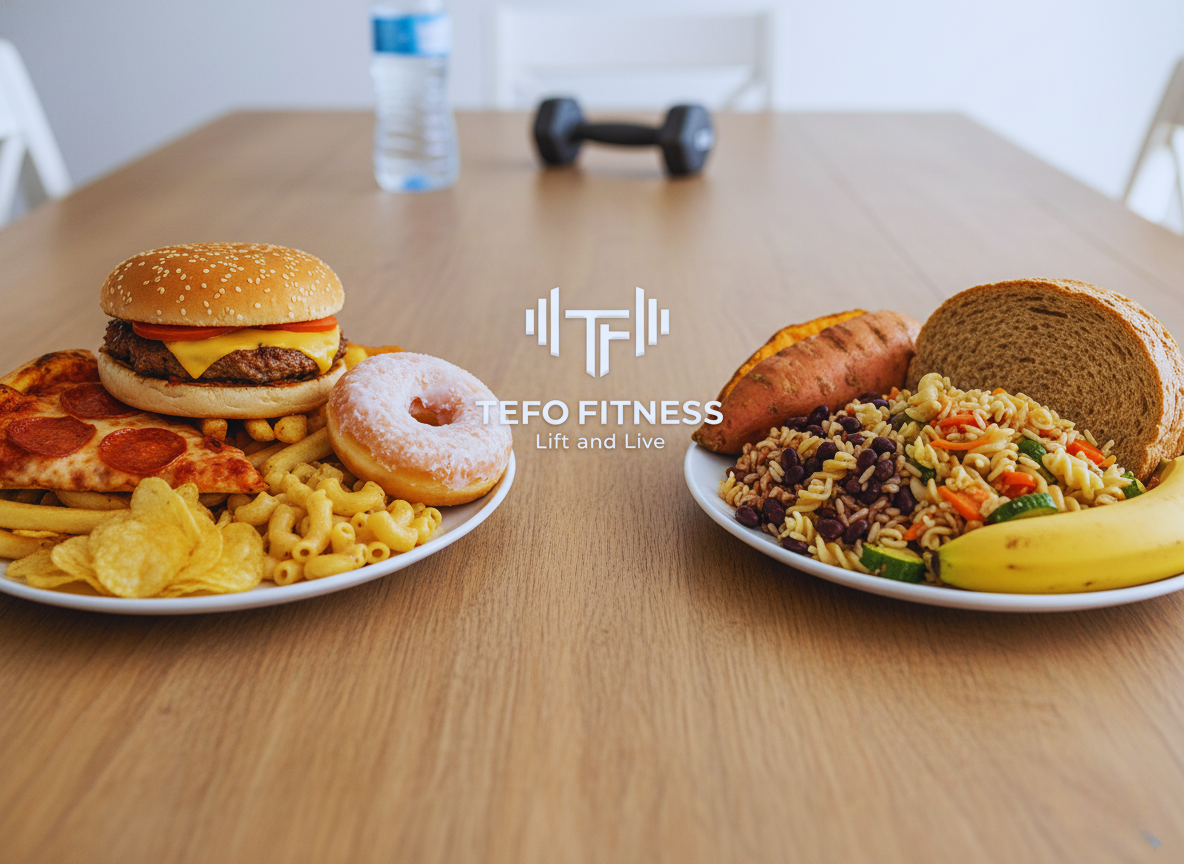
There is also a lot of confusion between different types of carbohydrates. Highly processed foods that are rich in refined carbs and added sugars are often linked to poor health outcomes. Over time, this has led many people to associate all carbs with these negative effects. Whole-food carbohydrate sources, such as fruits, vegetables, legumes, and whole grains, are often overlooked, despite providing fiber, vitamins, and sustained energy. This lack of distinction causes carbohydrates as a whole to be unfairly blamed.
Finally, carbohydrates are often misunderstood because their role in the body is rarely explained clearly. Glucose is the brain’s preferred source of energy, and carbohydrates play a key role in fueling both physical activity and daily function. Extremely low-carb diets can sometimes lead to low energy, irritability, and difficulty concentrating, especially in active individuals (Institute of Medicine, 2005). When people experience these symptoms, they may assume it is part of “fat loss,” rather than a sign that carbohydrate intake is too low for their lifestyle.
Even though there is some truth behind the idea that carbs are “bad”, as we discussed, it is the carbs that come from over-processed food rather than the ones we can find in more natural foods or whole foods (rice, potatoes, fruit. The goal with nutrition is not to demonize the foods we encounter in our lives, but to understand how what we consume impacts our bodies. With this information, we can make educated choices that align with our health goals and lifestyle.
Here at Tefo Fitness, we will guide you in making informed choices. The choices that will allow you to Lift and Live!
Learn more about training and how to apply these concepts.
References:
Burke, L. M., Hawley, J. A., Wong, S. H., & Jeukendrup, A. E. (2011). Carbohydrates for training and competition. Journal of Sports Sciences, 29(S1), S17–S27. https://doi.org/10.1080/02640414.2011.585473
Hall, K. D., Bemis, T., Brychta, R., Chen, K. Y., Courville, A., Crayner, E. J., … Zhou, M. (2015). Calorie for calorie, dietary fat restriction results in more body fat loss than carbohydrate restriction in people with obesity. Cell Metabolism, 22(3), 427–436. https://doi.org/10.1016/j.cmet.2015.07.021
Institute of Medicine. (2005). Dietary reference intakes for energy, carbohydrate, fiber, fat, fatty acids, cholesterol, protein, and amino acids. National Academies Press.